The London Institute for Contemporary Christianity
Never miss a thing!
We’re catalysing a movement that inspires people to live as disciples of Jesus – whatever they do, whoever and wherever they are.
If every Christian was equipped to live their whole life as Jesus would, it would change the world – one place, task, and person at a time.
We’re here to help every Christian in the UK discover three three simple truths:
- Wherever we are, we can join in with what God is doing – whether he’s placed us in an office, a builders’ yard, a school, a sports club, or anywhere else.
- The tasks we do matter deeply to God – from writing reports to fixing lights, caring for parents to driving buses, who we are and what we do has God-given purpose.
- We can be fruitful in all kinds of ways – by modelling godly character, making good work, ministering grace and love, moulding culture, and being a mouthpiece for truth and justice and a messenger of the gospel.
Living like this is central to being what we call a ‘whole-life disciple’. It means growing more like Jesus and learning to bring God’s wisdom, grace, and truth into our whole lives and every single thing we do.
We’re here to help as many Christians as possible embrace whole-life discipleship – for the glory of God and the good of the world.
See the difference our vision makes:

All of life matters to God – not just the ‘holy’ parts.
Too often, we can feel like God only cares about the ‘sacred’ things in our lives – church, charity work, evangelism – and that our ‘secular’ jobs, hobbies, and downtime are irrelevant to our faith.
But the truth is so much better than that. There is no sacred-secular divide. The gospel is good news for every person and every part of life. God is working to make Earth more like heaven through his people scattered in the world: through every employee encouraged, every anxiety shared, every leaky pipe fixed.
If we want to see our communities, organisations, and world transformed, we need to help every Christian get the full wonder of the gospel – and join in with what God is doing where they are. Because what we do Monday to Saturday is every bit as much a part of God’s mission as what we do on Sunday.
‘Whatever you do, whether in word or deed, do it all in the name of the Lord Jesus.’
(Colossians 3:17)
Read more about the sacred-secular divide – and how each of us can overcome it:

We empower individual Christians and church leaders.
Whether you want inspiration for your own life or support in a church leadership role, we've got you.
We equip Christians for discipleship in daily life. We do that through inspiring events and courses, insightful articles, videos, and books, powerful social media content, and transformative devotional journeys and small group Bible studies.
And we get alongside church leaders of all kinds – paid or voluntary, ordained or not – to help them embed whole-life discipleship in their churches. We do that through practical group resources, expert training, and tailored consultancy and speaking.
Three pathways to explore...
-
Life.
We don’t tackle everything in life, of course. Our focus is on life out in today’s world, and there’s a lot here to inspire and equip.
Discover more -
Church.
Here’s the material we’ve developed with church leaders and teams in mind. If you’ve any kind of leadership responsibility in the church community, explore here.
Discover more -
Work.
If you’re in the world of work in any shape or form you’ll find resources, courses, and inspiration to spur you on.
Discover more
Meet our staff
-
 DETAILS
Aasheesh Prem
CRM & Analytics Manager
-
 DETAILS
Andrew Hutchinson
Office Operations and Events Technical Manager
-
 DETAILS
Beatrice Henderson
Head of Operations
-
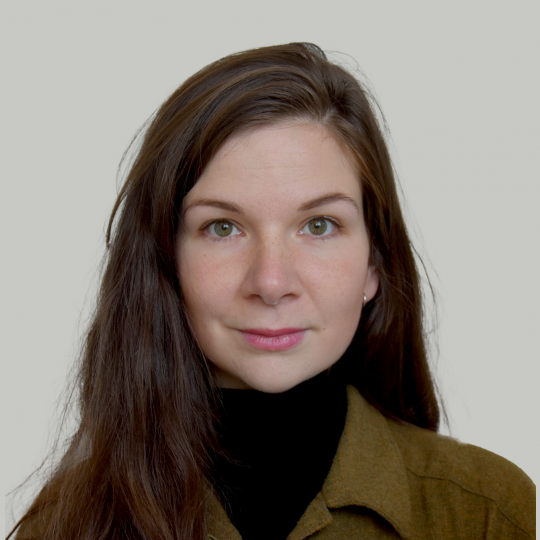 DETAILS
Bori Ambrus
Graphic Designer
-
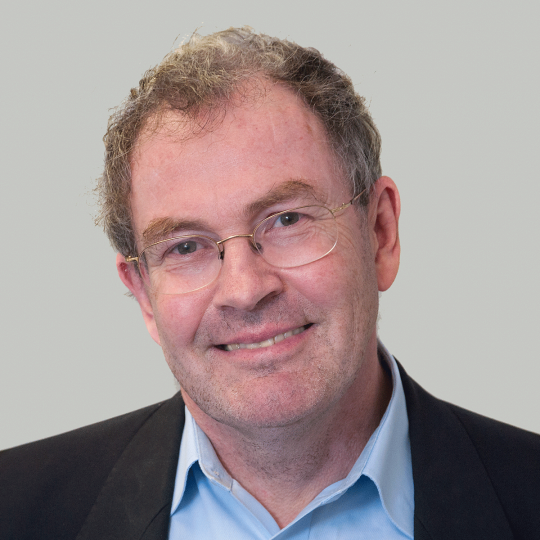 DETAILS
Brian Ladd
Head of Special Projects
-
 DETAILS
Darby Vincent
Digital Lead
-
 DETAILS
Dave Benson
Culture & Discipleship Director
-
 DETAILS
David Leeds
Chief Operating Officer
-
 DETAILS
David Walker
Imagine Work Champion
-
 DETAILS
Ennette Lainchbury
Emerging Generations Champion
-
 DETAILS
Eric De’Cruz
Creative Content Producer
-
 DETAILS
Faith Jenfa
Finance and Fundraising Administrator
-
 DETAILS
Grace Fielding
Head of Individual Giving & Supporter Communications
-
 DETAILS
Grete Bauder-Heap
Head of Creative & Brand
-
 DETAILS
Josh Hinton
Head of Communications
-
 DETAILS
Jo Trickey
Church Advocate
-
 DETAILS
Julian Gadsby
Church Engagement Specialist
-
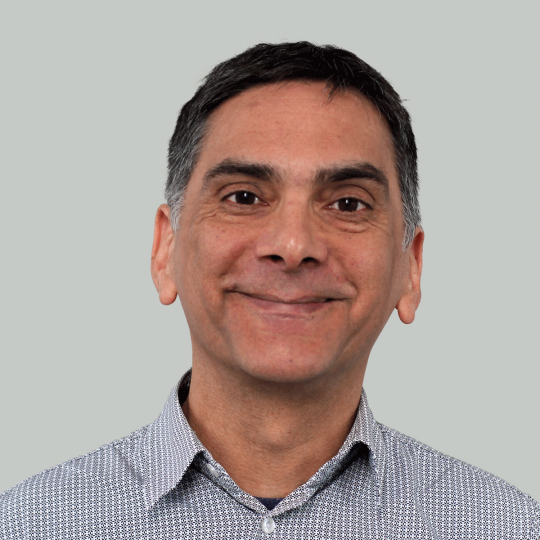 DETAILS
Ken Benjamin
Director of Church Relationships
-
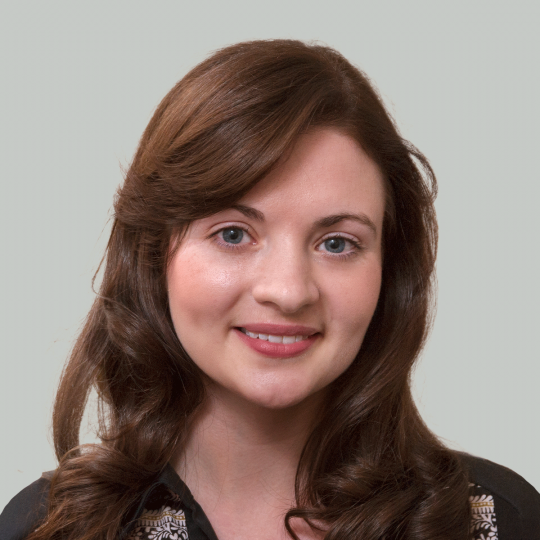 DETAILS
Laura Best
Events Designer
-
 DETAILS
Mark Greene
Mission Champion
-
 DETAILS
Matt Jolley
Research & Implementation Manager
-
 DETAILS
Paul Woolley
Chief Executive Officer
-
 DETAILS
Phil Smith
Executive Assistant
-
 DETAILS
Rebekah Rankin
Team Operations Coordinator
-
 DETAILS
Rowena Biddlecombe
Director of Finance & Fundraising
-
 DETAILS
Sam Brown
Church Advocate
-
 DETAILS
Sophie Sanders
Marketing and Communications Lead
-
 DETAILS
Steve Rouse
Church Team Director
-
 DETAILS
Tim Yearsley
Head of Innovation
-
 DETAILS
Tracy Cotterell
Senior Mission Associate
Meet our Board
-
Roots
From our beginnings in 1982, the mission and activities of The London Institute for Contemporary Christianity (LICC) were inspired by the wondrous good news of Christ for all of life. Our founders, John Stott and friends, saw how difficult it was for Christians to make the connection between the living Word of God and the challenges they faced out in his world. They recognised how drastically this shrivelled the church’s mission to the nation. And they were determined to tackle it head-on.
-
Early years
‘Double listening’ – to the Word of God and to the world, in order to relate the one to the other – was a hallmark of the early years. Through innovative programmes like Christians in the Modern World, LICC taught hundreds of Christians in all walks of life across the world how to navigate a vast range of issues and live and make an impact as whole-life followers of Christ.
-
Strategic shift
By the early noughties, the state of the nation and the church convinced us that a shift in emphasis was required. Local churches needed to recover Jesus’ central emphasis on growing whole-life disciples as the primary means for mission. So we developed a range of practical initiatives to help churches make that change. And together we made progress.
-
Today
We continue to pioneer with leaders to grow and sustain whole-life disciplemaking churches. And we continue to engage closely with Christians on the frontline to develop the wisdom and practices that can help us all live fruitfully for Christ in a complex and rapidly changing world. So, we remain learners – about God, the world, and the needs and experiences of those we seek to serve.
Everything we do is made possible by the generosity of people just like you.
Join the mission with a gift today and empower Christians across the UK to live out their faith in every part of their lives.